Why Synthetic Roofing Systems Excel in Harsh Midwestern Climate Conditions
Anyone who has invested a few years owning a home in the Midwest finds out the very same lesson the hard way: roofing materials are judged less by just how they look on a sunny mid-day and even more by just how they carry out in late January, throughout a spring hailstorm, or after a week of freeze-thaw cycles. The roof over a Midwestern home needs to manage warm, subzero cold, ice, wind, sleet, hefty rain, and abrupt weather condition swings that would be uncommon in many other regions. That combination subjects the strengths and weak points of every roofing system in a hurry.
This is where artificial roofs have actually carved out a significant online reputation. Not since they are trendy, and not since they assure some wonder remedy for each roofing problem, however since the product science behind them align uncommonly well with the environment needs of states like Illinois, Indiana, Wisconsin, Michigan, Iowa, and Missouri. In my experience, house owners typically start the conversation concentrated on appearance, especially if they admire cedar shake, slate, or other premium accounts. By the time the discussion is over, they are generally paying equivalent interest to impact resistance, weight, fastening methods, upkeep expectations, and how the roof will certainly act after ten Midwest winters.
Synthetic roof covering has matured well past the novelty phase. Today's architectural artificial roofing items are engineered to imitate natural products while correcting a lot of the susceptabilities that have historically made those materials challenging to have in extreme climates. For home owners taking into consideration a lasting investment, specifically those considering artificial roof replacement alternatives versus asphalt, cedar, or natural slate, the conversation deserves a close, useful look.
The Midwest is uniquely hard on roofs
Some environments are foreseeable. The Midwest is not. A roofing system here may bake under summer sun at temperature levels warm sufficient to soften low-grade materials, after that encounter abrupt electrical storms with wind-driven rain. In winter, that very same roof covering may hold wandering snow, establish ice along eaves, and cycle through duplicated cold and thawing. Spring commonly brings hailstorm, and autumn can bring temperature level swings huge enough to tension seals, flashings, and fasteners.
Those quick changes issue. Roofing products broaden and agreement. When that motion is excessive, or when an item becomes fragile in the cold, little weaknesses start to appear at ridges, valleys, around infiltrations, and along edges where wind stress is greatest. Homeowners do not constantly see the earliest signs from the ground. What they observe later is a discolor on a ceiling, lifted tabs, missing pieces after a storm, or a repair price quote that gets here years quicker than expected.
That's one reason artificial roofing systems have obtained grip in places like Chicagoland. They are not unsusceptible to negative installation or poor air flow, since no roofing system is, yet top quality artificial items are developed to tolerate a wider series of environmental anxiety than lots of conventional products. In an environment that regularly tests every part on the roofing system setting up, that tolerance matters.
Material engineering, not marketing, clarifies the appeal
A lot of the value in costs synthetic roof covering boils down to what it is made of and exactly how it is produced. The precise formula differs by brand name, yet numerous synthetic roofing tiles are produced from engineered polymers, recycled composites, virgin resins, or blends developed to provide flexibility, sturdiness, and effect resistance without the fragility associated with natural slate or the maintenance concern of wood.
That flexibility is a major benefit in winter. All-natural materials can split when struck by hail or when stressed during a deep freeze. Lower-end products might become weak sufficient that basic roof website traffic from a service technician can create damages in winter season. Excellent residential synthetic roofing synthetic materials tend to continue to be more stable throughout larger temperature ranges. They can soak up pressure much better, recover better from impact, and stand up to splitting in manner ins which matter in the field, not simply in item brochures.
Weight is another practical variable. Standard slate is gorgeous, yet it is hefty enough that structural ability enters into the conversation. Some homes can sustain it. Others require reinforcement, which alters the budget plan quick. Artificial options deliver the look of slate or shake without including that same architectural worry. For many home owners, specifically those preparing a synthetic roofing replacement on an existing home, that can streamline the project substantially.
Hail resistance is where artificial roofs typically separate themselves
If you have ever strolled a community after a Midwest hail event, the pattern ends up being noticeable. You will certainly see bruised asphalt, cracked ceramic tile, dented steel accessories, and insurance insurers moving from residence to house. Hail is one of one of the most pricey types of roofing damages in the area, not only because it triggers prompt influence damages, yet since it shortens the service life of materials that make it through the initial storm.
Many premium synthetic roof products are designed with effect resistance as a core marketing factor. That issues since hailstorm efficiency is not just about whether a roof covering leakages the next day. It is likewise about whether the product has actually been compromised in a way that will cause early failure two or three seasons later. A roofing system can look acceptable from the street and still have fractures, granule loss, or concealed damages that accelerates aging.
On higher-end homes, particularly those utilizing artificial roof for luxury homes, owners are usually attempting to secure both efficiency and look. Natural slate can chip. Cedar can split. Some synthetic options handle effect with much less noticeable damage while preserving the designated appearance of the roof covering aircraft. That is a meaningful advantage in areas where curb charm carries real value.
I have seen situations where home owners originally dismissed synthetic items due to the fact that they assumed "composite" suggested lightweight in a poor feeling, almost non reusable. After that they took care of full-size samples and saw testing information on influence performance, fire rankings, and wind resistance. The assumption altered promptly. An excellent artificial roof covering needs to not really feel flimsy. It ought to feel engineered.
Freeze-thaw resilience makes a quiet but vital difference
Hail gets interest since it is dramatic. Freeze-thaw damage is quieter, slower, and just as costly in time. Water locates its method right into small openings, ices up, expands, and broadens those openings. Repeat that cycle often adequate and the roof covering setting up starts to weaken around vulnerable points. This is one reason the Midwest is so ruthless to products that take in wetness or come to be vulnerable in the cold.
Synthetic roofings carry out well here partially due to the fact that many of them resist moisture absorption far better than all-natural materials. Timber can hold wetness. Some mineral-based products are at risk to fracturing when water invasion and freezing combine. Engineered synthetics, by comparison, are typically much less porous and less likely to experience the exact same internal breakdown.
That does not eliminate the need for proper underlayment, ice and water shield, air flow, and flashing information. It just means the noticeable roof covering product is much less likely to become the weak link. For a domestic artificial roof covering job, that can convert into less frustrations in late winter when ice dams, snow accumulation, and attic warmth loss start exposing every mistake underneath the surface.
Wind performance matters greater than many house owners realize
Midwestern tornados are seldom mild. Straight-line winds can be ruthless, and even common tornado fronts can produce gusts strong enough to exploit tiny installation errors. Once the side of a roof system starts to stop working, the trouble can spread swiftly. That is why securing patterns, starter training courses, ridge outlining, and perimeter steel matter so much.
Quality synthetic roof are frequently checked for high wind performance, and lots of products are made with interlocking or safe and secure attaching styles that aid them hold in adverse problems. This is not only an item tale. It is an installation tale. A roof is just as dependable as the team that installs it. Even exceptional materials can underperform when the installer neglects maker specs or cuts edges on deck roofing cintractor preparation.
That is why property owners seeking artificial roofing Chicago solutions or a synthetic roofer Chicagoland should pay attention to installer experience. A synthetic roof covering company that mainly installs basic asphalt and just sometimes collaborates with specialty compounds may not approach outlining with the exact same precision as a group that on a regular basis handles building synthetic roof covering. The distinction turns up where it matters most, around valleys, chimneys, skylights, hips, ridges, and transitions between roofing planes.
Appearance becomes part of the formula, especially in established neighborhoods
The performance situation for artificial roof coverings is strong, but aesthetics still drive many acquisition choices, especially in older suburbs, custom-home neighborhoods, and architecturally distinct neighborhoods. House owners desire a roofing that fits the design of the property. In places with historic influence or high design standards, basic three-tab or perhaps basic dimensional asphalt can keep an eye out of place.
This is where building synthetic roofing has ended up being particularly compelling. The best products do not merely copy slate or cedar from a range. They replicate texture, shadow lines, variation in thickness, and color deepness in such a way that checks out as intentional and fine-tuned. On a steep-slope home with prominent rooflines, that aesthetic impact can be substantial.
For homeowners seeking artificial roofing Naperville IL or similar high end country markets, the visual versatility is frequently a determining variable. Much of these homes are large enough that the roof is a major building feature, not a history surface area. Artificial products allow proprietors to seek a slate or shake aesthetic without taking on the architectural, maintenance, or weather-related disadvantages that natural materials can bring in this climate.
Lighter weight helps in both old homes and custom homes
A typical false impression is that weight constantly equals top quality. In roofing, that is just partly real. Larger items may feel significant, yet they likewise position more need on the framework below. That can make complex both new building and retrofit projects.
With artificial roofing systems, lighter weight frequently comes to be a functional advantage. On older homes, it may allow the owner to accomplish a premium appearance without enhancing framing. On newer personalized homes, it can provide more layout freedom while lowering architectural lots. On complicated rooflines with turrets, dormers, flared eaves, or steep pitches, lighter material can additionally make handling and setup more secure and even more efficient.
There is an additional real-world advantage. Roofing staffs working with lighter artificial materials can commonly relocate a lot more exactly and with much less damage throughout synthetic roofing system setup. All-natural slate and ceramic tile can break throughout handling. Timber can divide or differ in quality from piece to piece. Synthetic products are usually much more constant, which assists seasoned synthetic roofing system installers maintain appearance and alignment across big roofing system areas.
Maintenance has a tendency to be a lot more manageable
No roofing is maintenance-free, and any individual encouraging that should be treated with care. Branch abrasion, clogged gutters, improperly vented attic rooms, failed sealers, and storm damages can affect any type of material. However, artificial roof generally lowers the regular maintenance concern compared to cedar shake and some other traditional products.
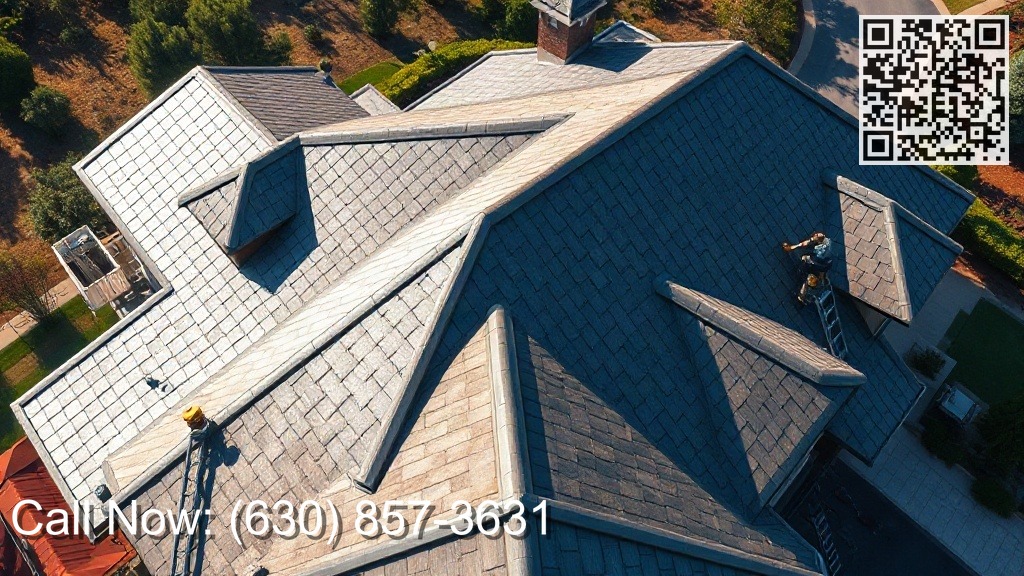
Wood roofings, for instance, frequently need recurring tracking for wetness retention, mold and mildew, mildew, bug task, and splitting. Natural slate can last a long period of time, yet repair work can be specialized and costly, specifically when matching materials or functioning around breakable tiles. Asphalt is less complex, but it can lose granules, curl, or age erratically under extreme weather stress.
An effectively mounted residential synthetic roofing system often lands in a valuable happy medium. It can provide a high end appearance with much less regular repair service demand, less problems about rot or insect damage, and far better strength after regular weather occasions. That does not imply owners can ignore examinations. It implies the roofing system is much less likely to punish neglect immediately.
Installation top quality decides whether the item measures up to its promise
If there is one factor I would certainly stress to any property owner, it is this: the material is only half the work. The installer determines the rest.
A qualified synthetic professional roofer comprehends that specialty products need more than common roofing habits. Deck condition should be evaluated truthfully. Underlayment option has to match environment demands. Blinking details should be updated where needed, not recycled since it conserves time. Penetrations need careful treatment. Air flow has to be dealt with, especially in homes with a history of ice damming or uneven attic room temperatures.
When house owners talk to a synthetic roofing firm, they need to ask specific concerns regarding previous jobs, staff training, supplier knowledge, and how the company handles changes and accessory details. A strong contractor will answer concretely, not slightly. They will discuss consumption and exhaust ventilation, ice obstacle positioning, securing approaches, and why certain details issue in neighborhood conditions. A weak service provider usually changes the conversation back to price.
That is particularly important in markets like synthetic roof Chicago, where climate exposure is intense and architectural styles vary extensively. A reduced bid can end up being costly if the installer forgets the functional needs of the home.
Cost is greater upfront, however that is not the entire calculation
Synthetic roof covering normally sets you back much more in advance than standard asphalt shingles. That much is true. For some property owners, the premium is substantial enough to rule it out instantly. For others, the choice is much less regarding entry price and more about long-lasting value.
A roof must be evaluated over its service life, not simply by the agreement amount signed on installation day. If an artificial roof covering offers much better resistance to hail, wind, cracking, and weather-related aging, there can be fewer repairs, fewer premature replacements, and much less cosmetic wear and tear over time. On homes where appearance issues, staying clear of a noticeably weary roof after a reasonably brief period has value as well.
Insurance considerations can additionally enter the picture, though this varies by provider and policy. Some impact-resistant items might get approved for discount rates in certain cases, while others might not. Homeowners should verify details straight with their insurance provider instead of thinking a benefit.
The much better way to think of expense is to ask a more useful question: what am I acquiring past the product itself? If the answer includes enhanced storm resilience, a costs building look, lower upkeep pressure, and the possibility of a longer solution perspective, after that the higher first financial investment can make sense, especially for long-lasting owners.
Where synthetic roof makes one of the most sense
Synthetic roof covering is not instantly the most effective suitable for every home. Budget-driven jobs on small properties may be better offered by high-quality asphalt if the owner anticipates to move soon. Some historic areas have product limitations that require careful evaluation. And not all artificial items are equal. There is a variety between commodity-grade imitation products and well-engineered premium artificial roofing.
Still, synthetic roofing systems are specifically engaging in a few usual circumstances:
- homeowners replacing cedar or slate but desiring less maintenance and greater tornado resistance
- custom homes where the roof covering is a significant aesthetic feature
- properties in hail-prone or wind-prone areas across the Midwest
- long-term ownership situations where lifecycle value matters more than the most affordable bid
- projects where architectural weight is an issue yet a deluxe appearance is still desired
Those usage instances come up often in the Midwest because the region combines severe weather with a big housing supply that consists of whatever from century-old homes to expansive new builds. Few roofing categories serve that variety as successfully as synthetic roof systems.
A better suit for the climate house owners really live in
The reason synthetic roofing systems excel in rough Midwestern weather conditions is not mystical. The region requires a material that can take a beating without ending up being a maintenance concern, and top quality synthetic items are constructed with precisely that obstacle in mind. They resist impact better than many traditional materials, handle freeze-thaw tension well, avoid the weight penalties of slate, and provide a degree of layout adaptability that attract both functional and design-conscious homeowners.
For a home owner assessing synthetic roof covering installation, the most intelligent strategy is to treat it as both a product choice and a specialist decision. The item needs to be verified. The installer needs to be experienced. When those two pieces line up, the result is a roofing system that does greater than survive Midwest climate. It stays eye-catching, reliable, and structurally reasonable via the kind of periods that reveal weak choices fast.
That is why many home owners that start the procedure searching for a costs appearance wind up picking synthetic for a more based factor. It fits the climate. And in the Midwest, that may be one of the most vital function a roofing system can have.
When Quality Matters
Salvo Architectural Roofing Contractors
566 West 5th Ave Naperville, IL 60563
(630) 857-3631
 Ask ChatGPT
 Ask Grok
 Ask Perplexity
 Ask Claude
 Ask Google AI
 Ask You